Fence Styles
Privacy vs Semi-Privacy PVC Fencing: Which Style Fits?
Compare full-privacy and semi-privacy PVC fence styles for screening, airflow, light, street presentation and professional installation.
Written by Gold Coast PVC Fencing · 10 August 2026
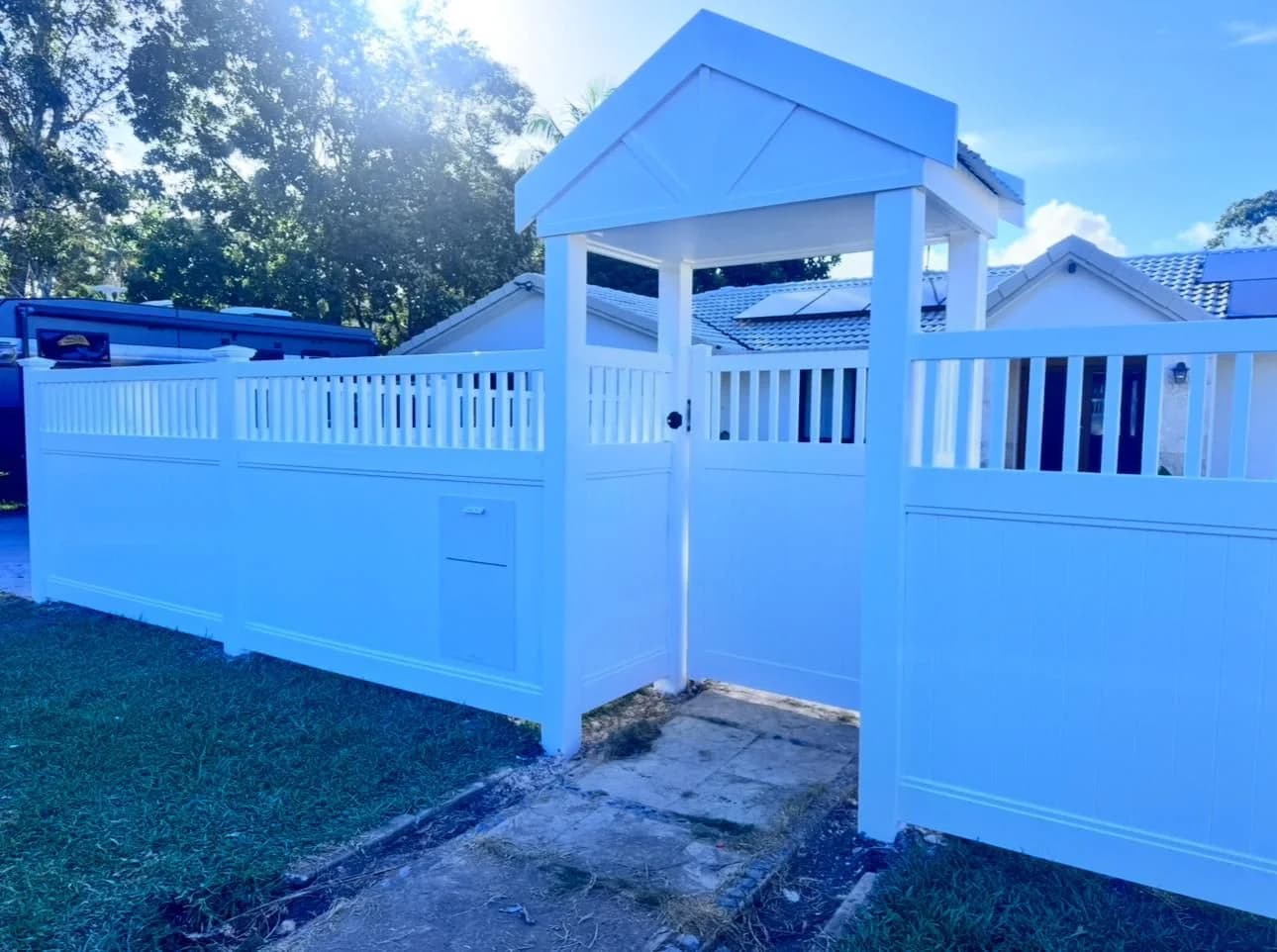
The key difference is how the fence manages views
Full-privacy PVC fencing uses a closed panel arrangement to create a solid visual screen. Semi-privacy fencing introduces deliberate gaps or slats, so it filters the view while allowing more light and air to move through the fence line. Neither option is automatically better; the right choice depends on the position of the fence and what matters most in that area.
Start by standing where the fence will be installed. Look at the sightlines from the home, street, neighbouring properties and outdoor living areas. A style that suits a private side boundary may feel too enclosed across a front frontage, while a semi-private design may not provide enough screening beside a frequently used patio.
When full privacy is the stronger fit
A solid privacy style is worth considering when the primary goal is screening. It can create a simple visual backdrop around a yard or help separate an outdoor area from a busy view. The closed design also gives the fence a consistent appearance from panel to panel.
The trade-off is that a solid fence changes how open the space feels. On a small or shaded area, that may matter as much as the screening benefit. Ground levels, wind exposure and the relationship with nearby structures should be reviewed during the site measure rather than judged from a product photo alone.
When semi-privacy makes more sense
Semi-privacy PVC fencing suits owners who want a defined boundary and some screening without creating a fully closed wall. The openings can preserve light, airflow and a degree of connection with the street or garden. This can be useful across frontages or in outdoor areas where a lighter visual result is preferred.
The amount and angle of visibility will vary with the profile and viewing position. Ask to compare installed examples and look through the style from more than one angle. That is more reliable than treating the word semi-privacy as a fixed level of screening.
Compare the styles against the same checklist
Use the same questions for each option so appearance does not crowd out practical needs. The installer can then recommend a layout based on the measured site and explain how gates, corners, slopes or retaining walls affect the result.
- Which views need to be blocked, softened or retained?
- How important are light and airflow at this fence line?
- Is the fence primarily a front, side or rear boundary feature?
- Will the selected style meet an existing wall, gate or different fence profile?
- Which installed examples best match the property setting?
Choose after a site-specific conversation
Photos and style pages are useful for narrowing the options, but the final decision should reflect the real property. Bring your preferred look and practical priorities to the quote. A professional measure can then confirm which full-privacy or semi-privacy configuration is appropriate for the proposed installation.