Local Guides
Notice to Contribute (Form 2): What Happens Next
What a Queensland Notice to Contribute for a dividing fence must include, the one and two month deadlines, and what happens if your neighbour does not respond.
Written by Gold Coast PVC Fencing · 18 September 2026
What a Notice to Contribute actually is
What is a Notice to Contribute for a dividing fence? It's the formal step Queensland law requires before a dividing fence dispute can go to QCAT. If you've just received one from a neighbour, or you're about to send one, the process has a clear timeline.
According to QCAT's own guidance on dividing fence disputes (as published, retrieved 2 September 2026), the neighbour who receives the notice has one month to reach agreement. If no agreement is reached in that time, either owner can apply to QCAT within two months of the notice being delivered.
This article explains what the notice covers and what happens next. It isn't legal advice, and it won't tell you how to win a dispute. What it will do is give you the facts so you know what you're looking at, whether you're the one who sent the notice or the one who received it.
- Formal name: Form 2, Notice to Contribute for Fencing Work
- Must state the common boundary, the kind of fence, the estimated cost, the neighbour's proposed share, and the construction method
- At least one written quote must be attached
- The receiving neighbour has one month to reach agreement
- Either owner can apply to QCAT within two months of the notice being delivered
- Serving this notice is required before either neighbour can apply to QCAT or the Magistrates Court
What the process actually is
The formal process sits under the Neighbourhood Disputes (Dividing Fences and Trees) Act 2011 (Qld), current in-force version, retrieved 2 September 2026. Queensland's system runs on a specific document called a Notice to Contribute, officially "Form 2, Notice to Contribute for Fencing Work."
QCAT's guidance is direct on one point: you cannot apply to QCAT or the Magistrates Court over a dividing fence dispute unless you have already served this notice on your neighbour. It's the required first step, not an optional one.
What the notice has to contain
Per QCAT's own published requirements, a Notice to Contribute must specify:
- The common boundary to be fenced
- The kind of fence being proposed
- The estimated cost of the work
- The neighbour's proposed share of that cost
- The proposed construction method
One quote, one month, two months
At least one written quotation for the work has to be supplied with the notice.
Once the notice is delivered, the receiving neighbour has one month to reach agreement on the proposal. That's the window for a conversation, a counter-proposal, or a straightforward yes.
If the month passes without agreement, either property owner can apply to QCAT, and that application has to happen within two months of the original notice being delivered. If that two-month window has already passed, QCAT is the right place to ask what your options are rather than guessing at the next step.
What happens if my neighbour won't respond to a Notice to Contribute? Silence doesn't stop the process. Once the one-month window closes without agreement, the option to apply to QCAT opens up. That application still has to be made within the two-month window from the original notice, so a non-response is a reason to act within that timeframe, not a reason to wait indefinitely.
Why the notice exists in the first place
The requirement to serve a notice before applying to QCAT isn't a formality for its own sake. It gives both neighbours a documented starting point: the same boundary, the same proposed fence, the same cost estimate, on the record before either side involves the tribunal. That's also why the written quotation requirement matters. A vague verbal figure isn't the same thing as the documented estimate the process is built around.
Where PVC fits into this conversation
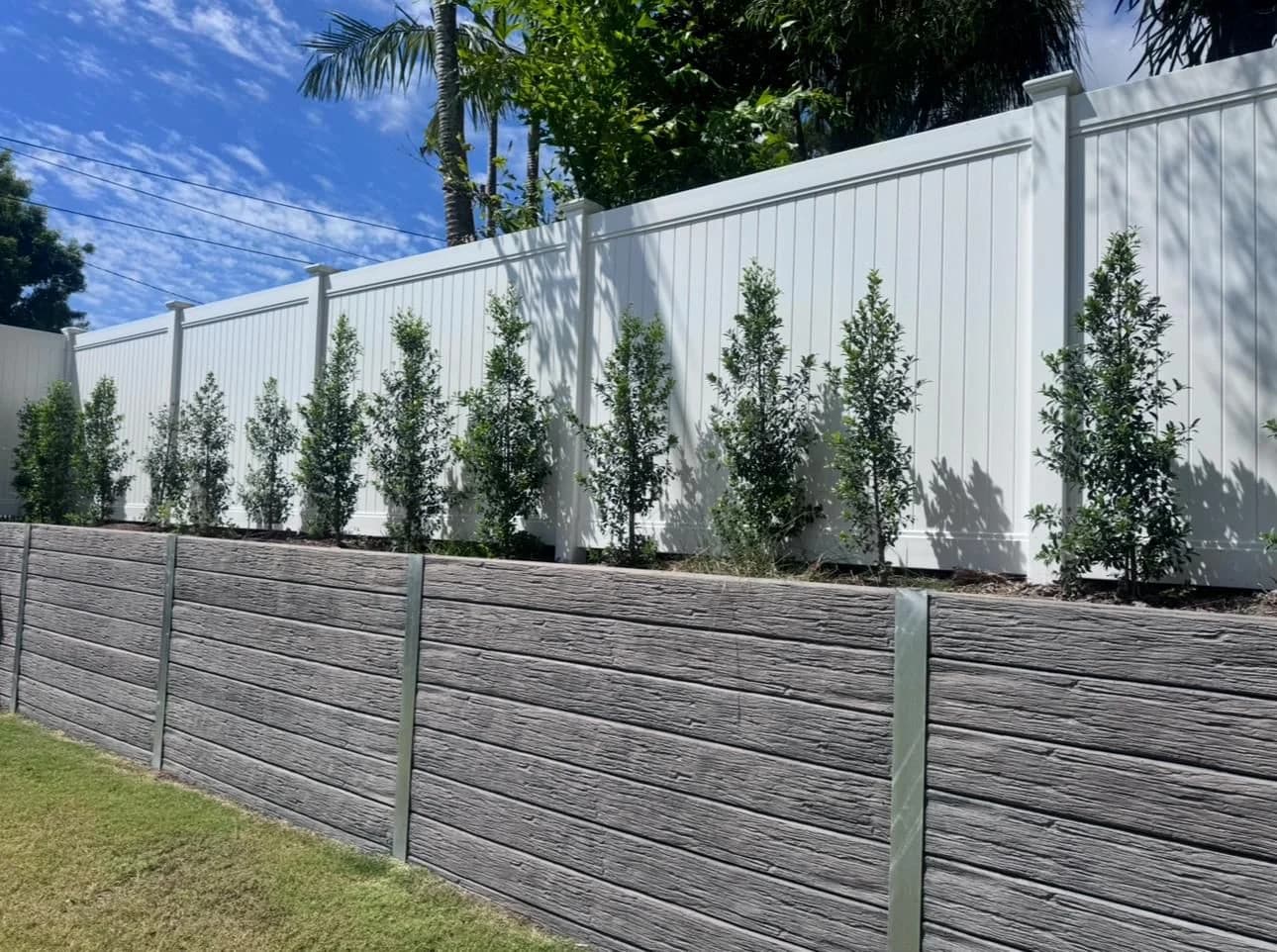
None of the above depends on what material the fence ends up being. Once neighbours reach agreement, or QCAT makes a determination, the practical question becomes what to actually install. A PVC fence is a durable, low-maintenance option once that agreement is reached. It doesn't reopen the same argument in five years over a rotting panel or a rusted rail.
What to do once the fence itself is agreed
The dispute process and the fence installation are two separate conversations. Once the boundary, the fence type, and each neighbour's contribution are settled through the Form 2 process above, the installation side is ordinary: a site measure, a written scope, and an install date. Our installation process page covers what that looks like once you're ready to move from agreement to a finished fence line, and
Gold Coast PVC Fencing serves properties across the Gold Coast for exactly this kind of boundary work.
You can request a free quote once the neighbour conversation is settled and you're ready to move to the installation stage. You can read more
about Gold Coast PVC Fencing and the local installation team behind this guide.